Electricity generation in Spain
202555.5%Renewable generation

What our represented companies supply, who makes the purchasing decision and what information helps assess a commercial opportunity. Photographs illustrate each sector and are credited alongside them.
According to Red Eléctrica, 55.5% of the electricity generated in Spain in 2025 was renewable. This is the annual share of electricity generation. The mix changes hourly, and the indicator covers a different scope from total energy consumption.
As solar and wind grow, project value also depends on when electricity is delivered, grid connection capacity and how the project responds to constraints. This creates opportunities for BESS, grid control, protection and reinforcement.
Red Eléctrica · The Spanish power system in 2025
Explore sector applicationsMarkets
Start with local infrastructure, the type of buyer and the conditions that determine feasibility.
Estonia, Latvia and Lithuania synchronised with the continental European grid in 2025. This illustrates the importance of grid interfaces, protection and control in integration projects. Approvals and connection requirements are assessed country by country.
The balance of hydropower, wind and other resources varies by market. To assess generation or storage opportunities, check what flexibility already exists, how it is procured and what industrial buyers need.
The IEA highlights the importance of cooling and desalination in MENA's electricity demand. Electrifying desalination ties equipment selection to the reliability and cost of supply. Wastewater and biogas projects depend on effluent, feedstock and gas use. Hydrogen projects depend on water and electricity availability and a buyer with defined demand.
Source: IEA · The Future of Electricity in the Middle East and North Africa
Eurostat · nrg_bal_peh · EU-27 gross electricity generation · 2024
“Other” categories are calculated as residuals. Eurostat and Red Eléctrica use different reporting scopes.
Explore Veltis Energy’s five areas. Each marker represents one catalogue category.
Commercial breakdown by area: pending verification. Comparable public data are unavailable for these five areas. Source: Veltis Energy sector catalogue.
5 technical profiles
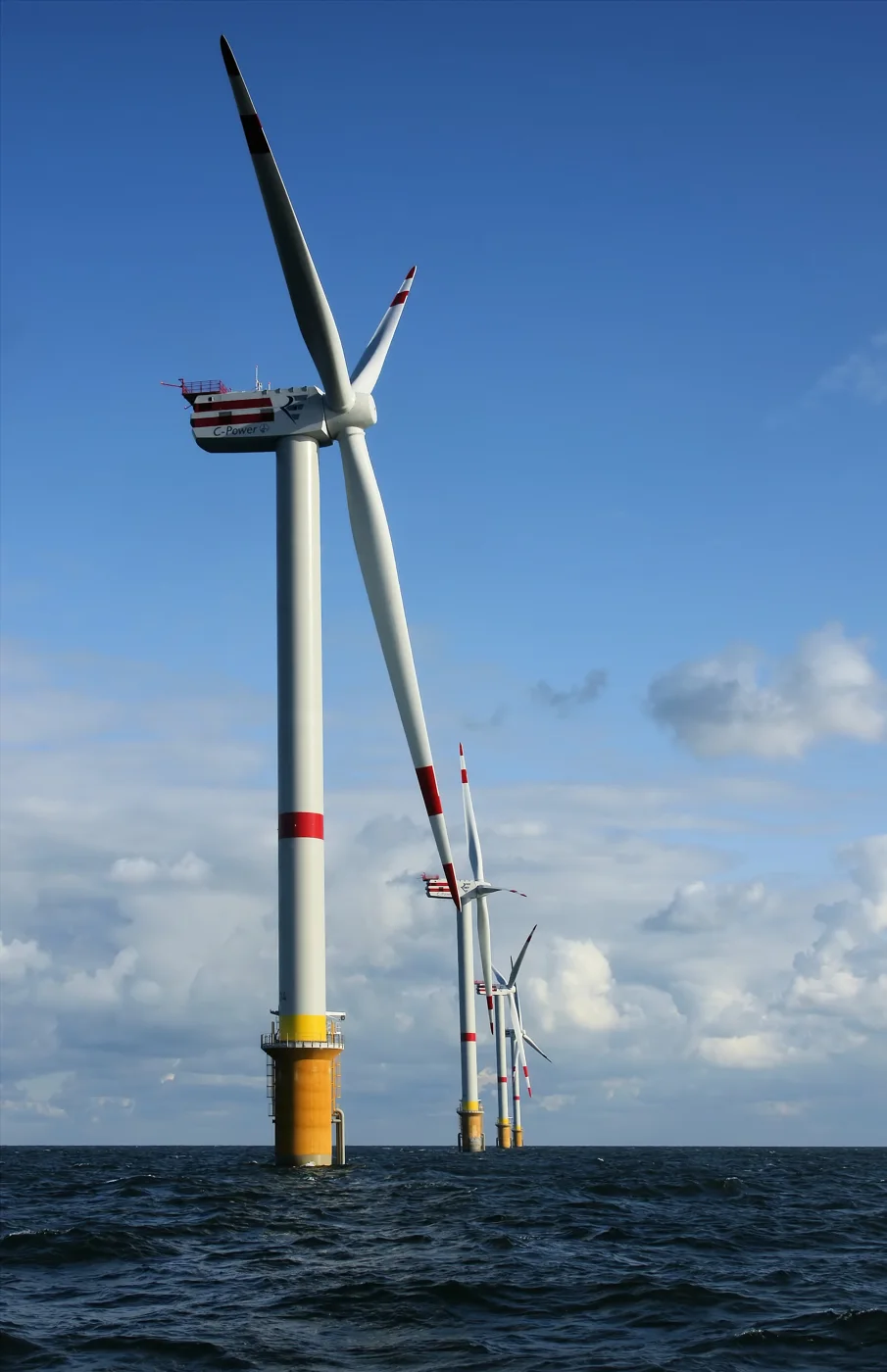
Hans Hillewaert · CC BY-SA 4.0. Resized WebP copy.
Generation
We connect manufacturers and engineering firms with developers, EPC contractors and operators looking to source equipment, widen their supplier base or secure local support.
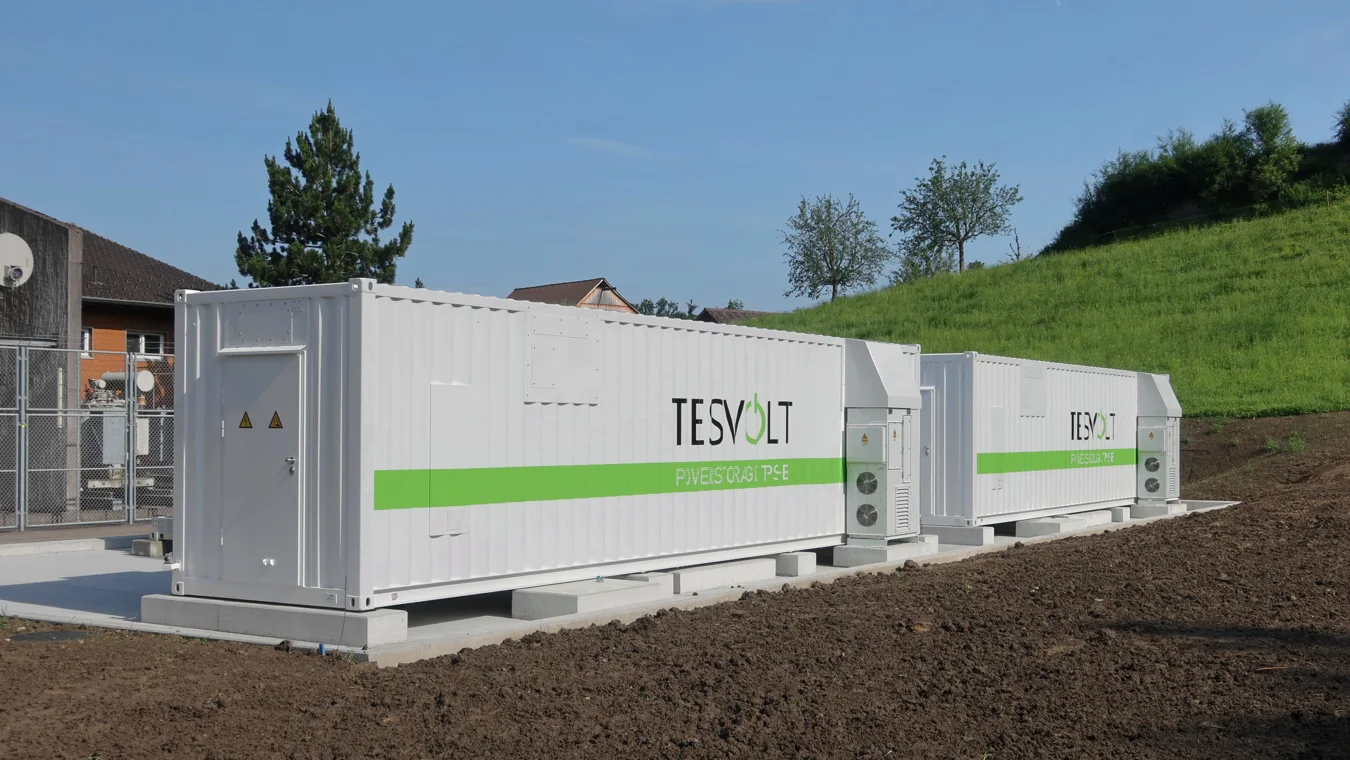
Storage
We help integrators and manufacturers identify suitable projects and determine who is responsible for integration, commissioning and support through the asset's lifetime.
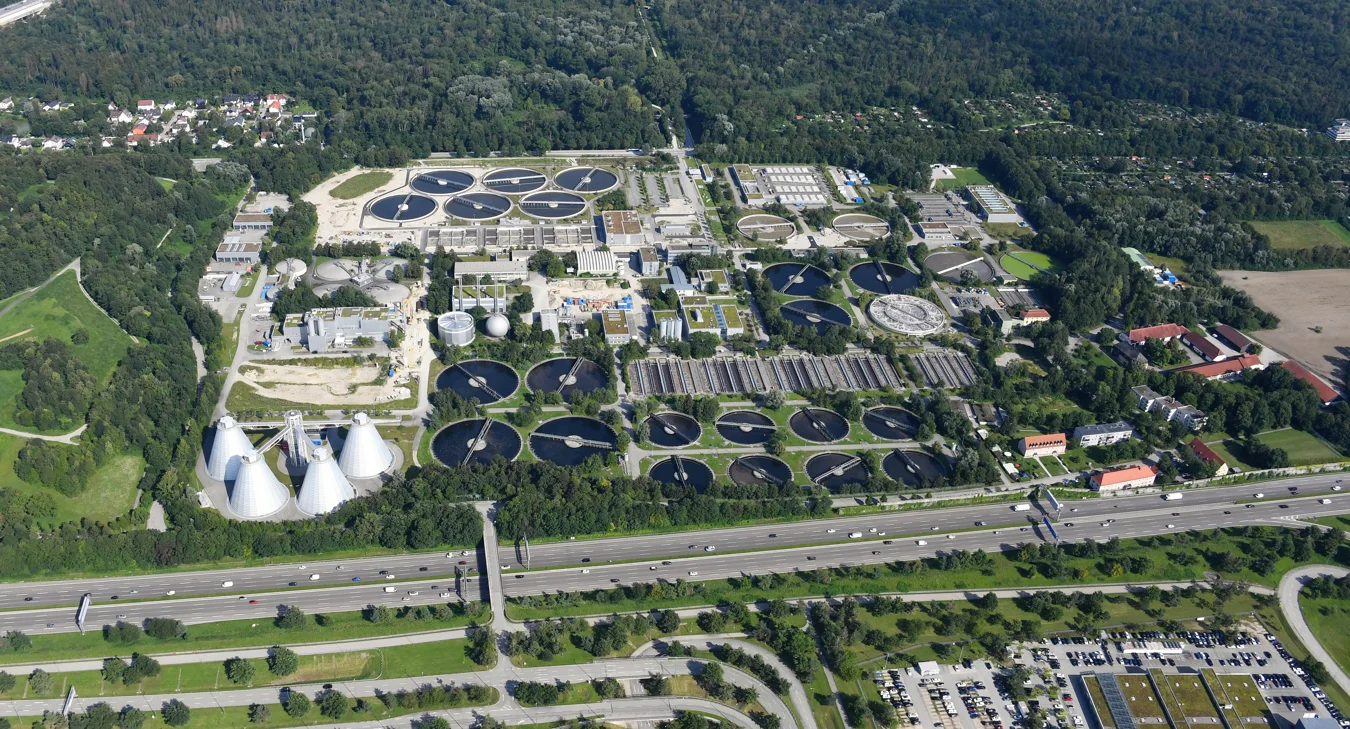
Carsten Steger · CC BY-SA 4.0. Resized WebP copy.
Gas and water
We connect process technology suppliers with developers, waste managers, wastewater plants and industrial operators integrating equipment into new or existing facilities.
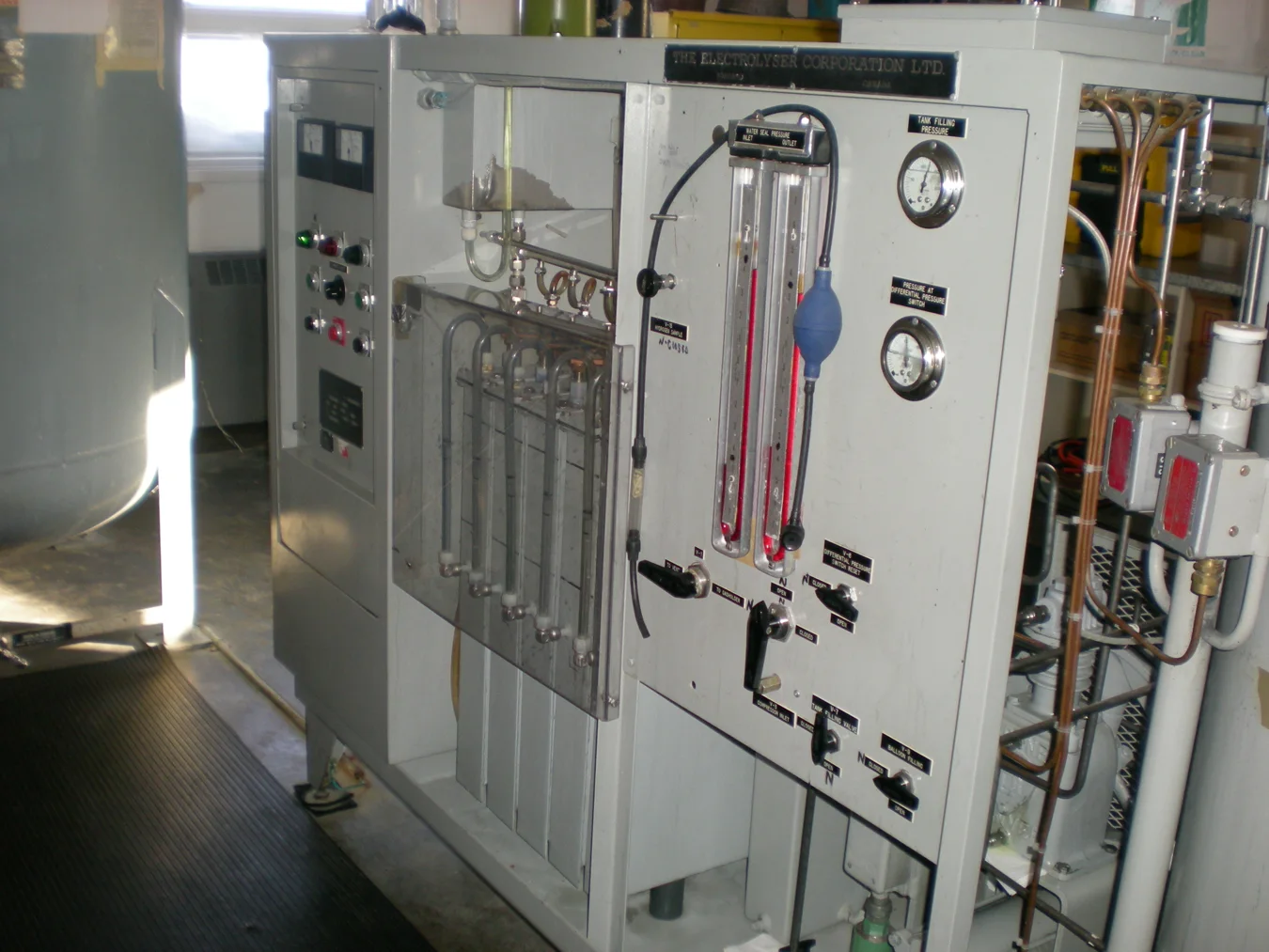
CambridgeBayWeather · CC BY-SA 4.0. Resized WebP copy.
Decarbonisation
We prioritise opportunities with defined industrial demand. We look for counterparties that can integrate the technology into the plant and support operations in the target market.
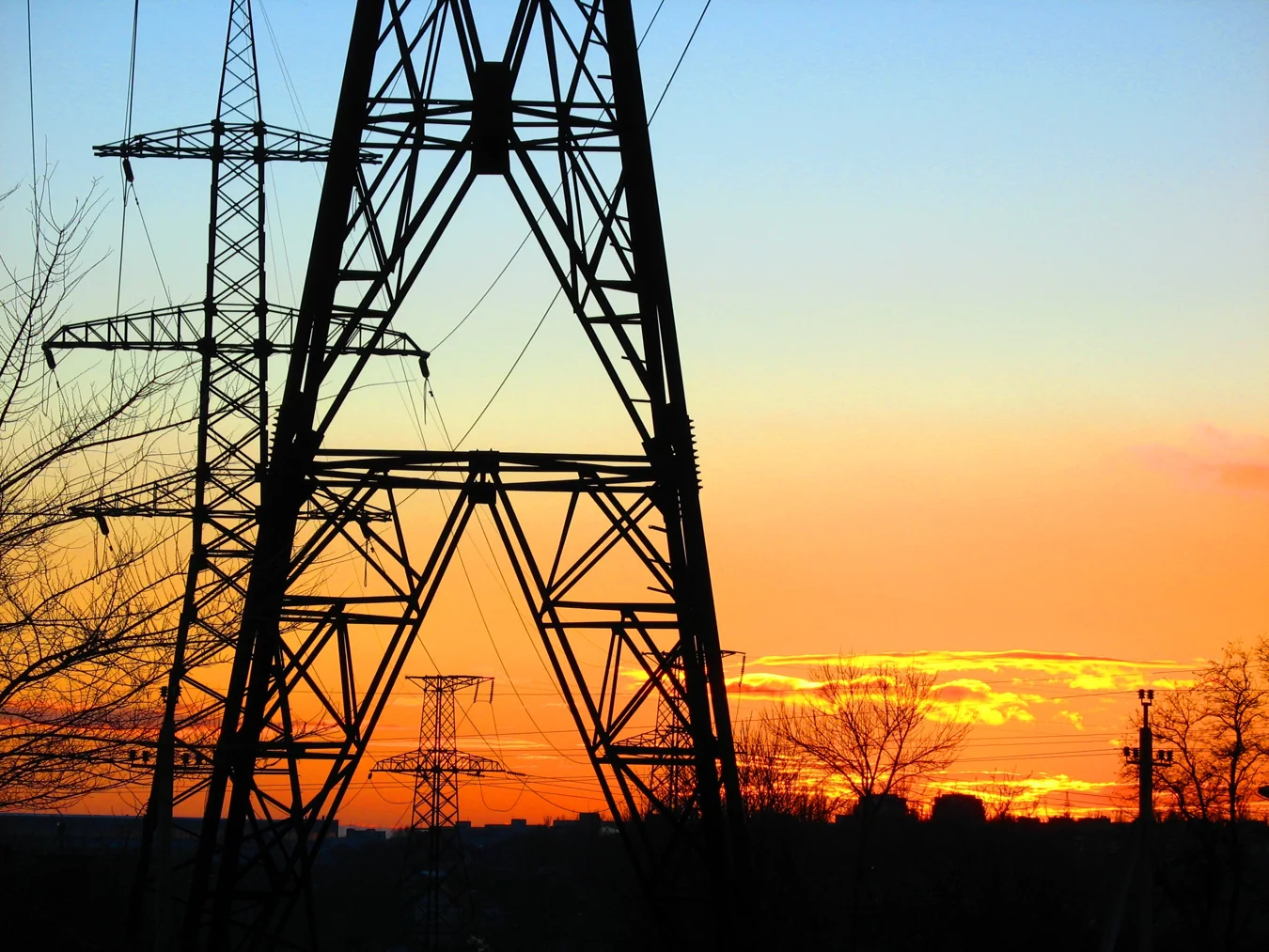
Novoklimov · CC BY 4.0. Resized WebP copy.
Grids and equipment
We identify buyers and engineering firms that specify equipment, then coordinate the technical exchange needed for qualification, a request for quotation or a tender.
See how we assess commercial channels and partners in each target country.
Explore representation and markets


